
Designing a Connected Safety Platform Across Hardware & Software
Led end-to-end product design for a connected wearable ecosystem that helped industrial companies proactively reduce workplace injuries through real-time insights and ergonomic monitoring.
Role
Lead Product Designer
Timeline
Aug 2017 – Feb 2022
Type
B2B / Wearable, Web App, Tablet App
My Role
- Led 0→1 product strategy and UX direction
- Designed connected experiences across wearable, tablet, and SaaS platforms
- Conducted field research with frontline workers and safety managers
- Established scalable design systems and workflows
Major Customers



Workplaces were monitored too late or too reactively. StrongArm set out to build a connected hardware + software ecosystem that combined real-time monitoring, actionable insights, and behavior change—to identify ergonomic risk before injuries occurred.
Impact
Reduction in workplace injuries across deployed customer sites.
Workers supported across enterprise deployments.
Increase in worker engagement with the safety platform.
Increase in SaaS-generated sales opportunities.
Problem
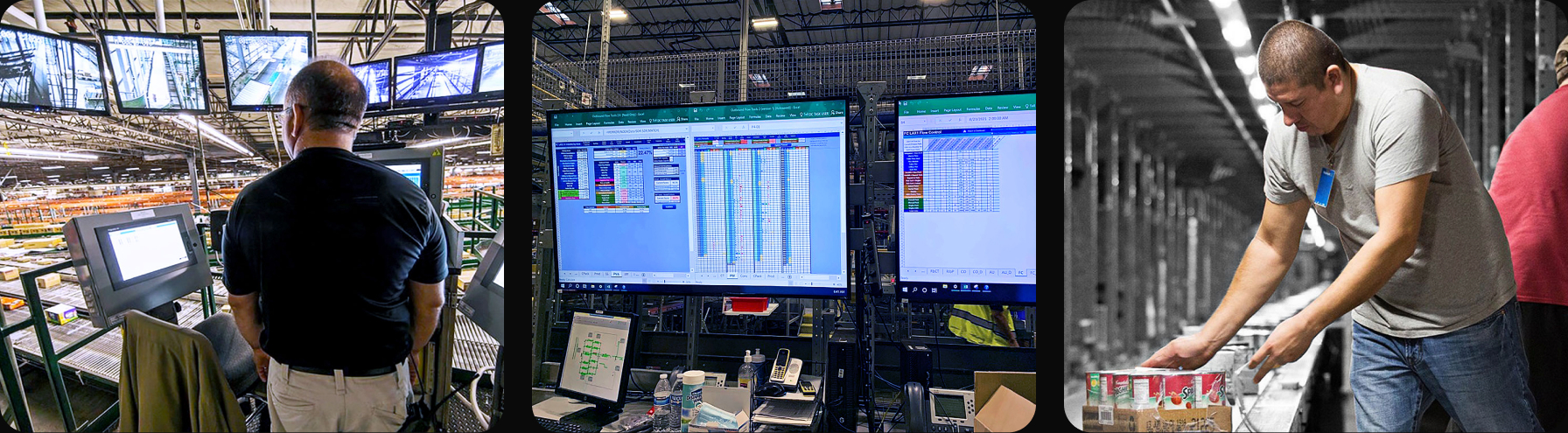
Safety managers lacked three things
- Real-time visibility
- Reliable injury data
- Tools workers would actually use
The result:
Reactive reporting
Preventable injuries
Low adoption
Research & Insights
I partnered with Customer Success to visit warehouses and interview safety managers and frontline workers.
Methods
- Field observation
- Contextual interviews
- Workflow mapping
- Surveys
- Prototype testing
Key Insights
Insight 1
Workers viewed technology as additional work.
Design Direction
Reduced wearable interactions to create an almost invisible experience.
Insight 2
Managers didn’t need more dashboards.
Design Direction
Shifted from displaying sensor data to highlighting risk patterns and team behaviors.
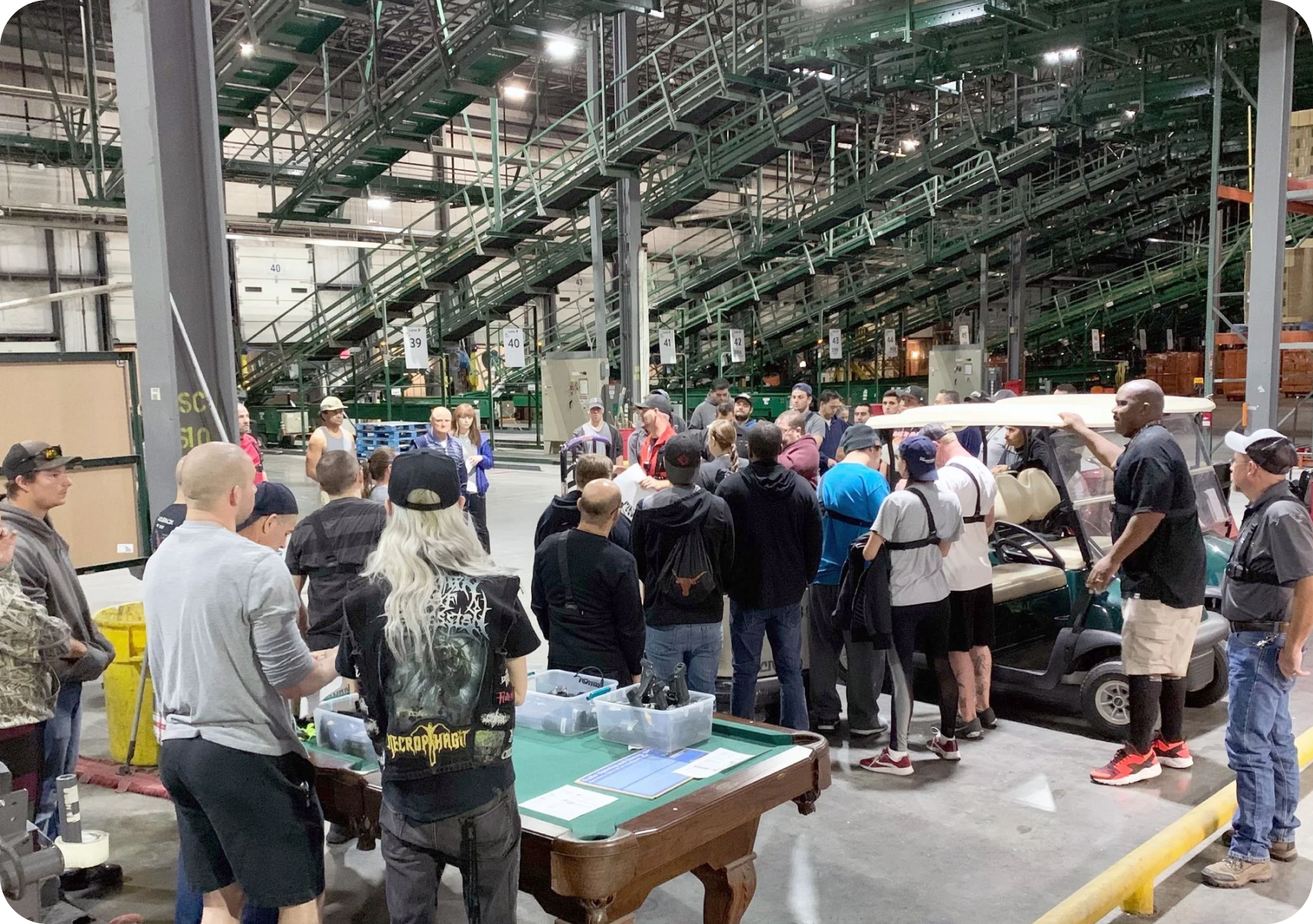
Onsite observation
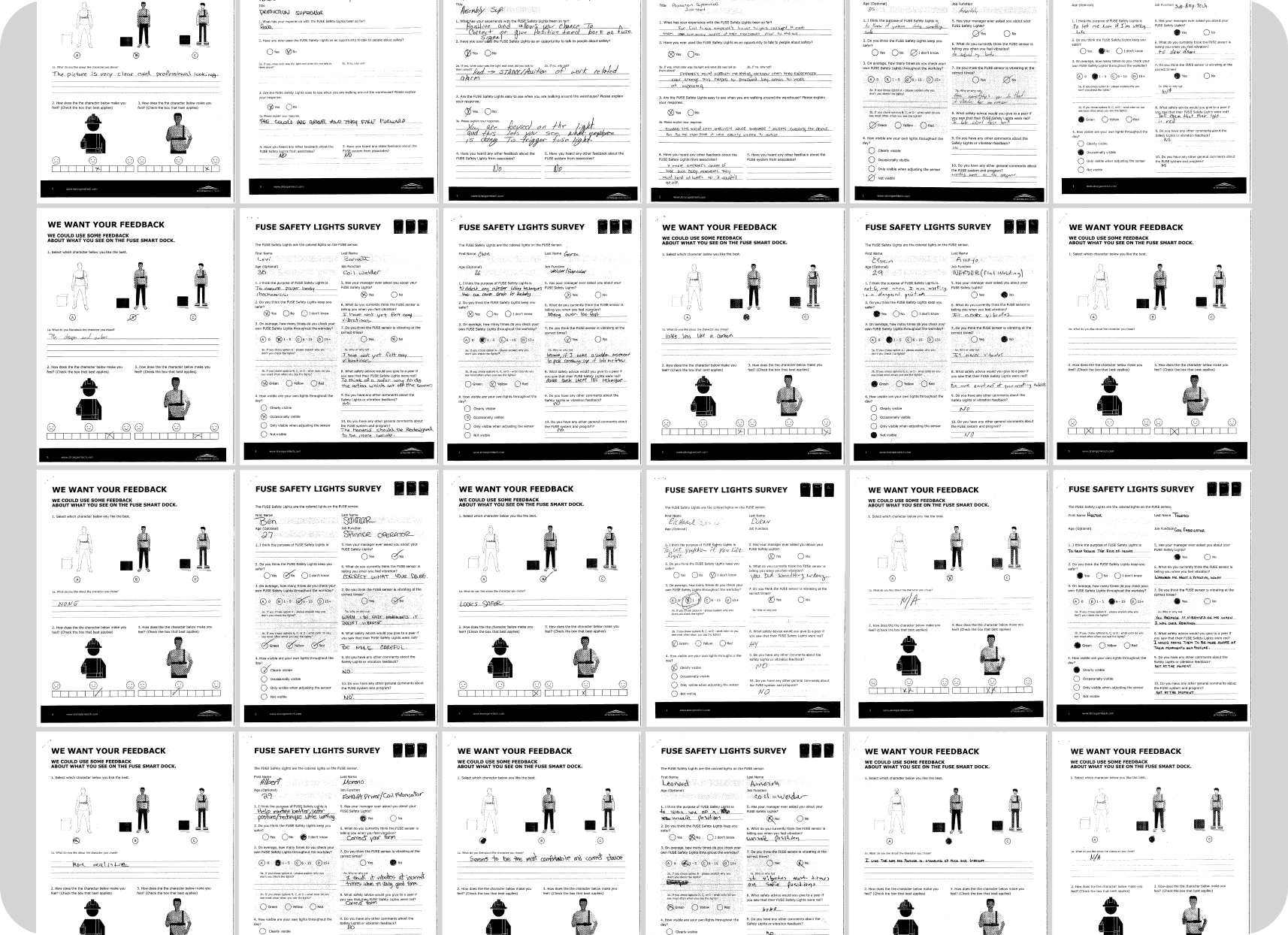
End User Surveys
Based on user research from external surveys and interviews with site managers and workers from
Development Process
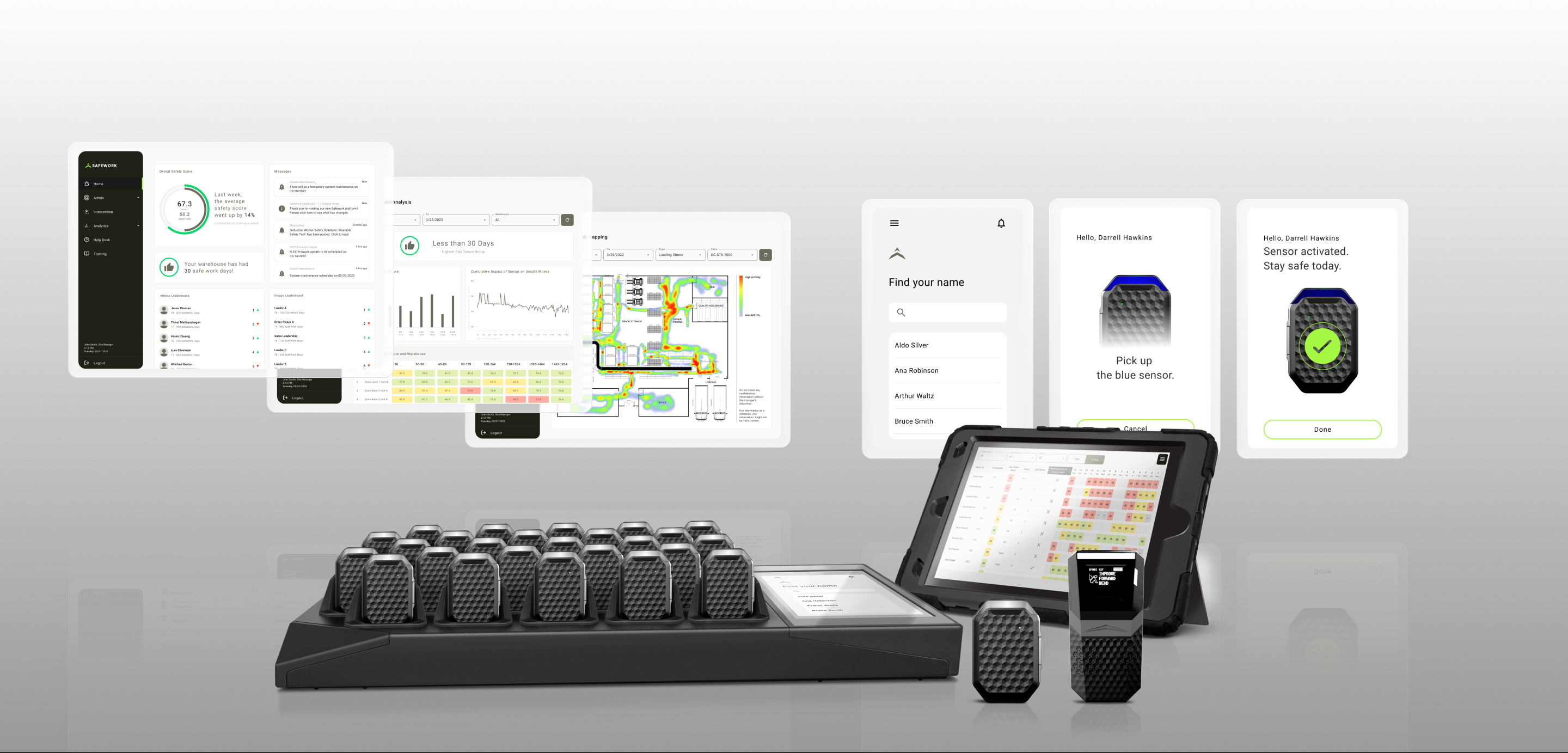
Design the Entire Ecosystem
Instead of designing separate products, I designed a connected experience across:
- Wearable
- Tablet
- SaaS Dashboard
Every touchpoint shared the same mental model while being optimized for each user's environment.
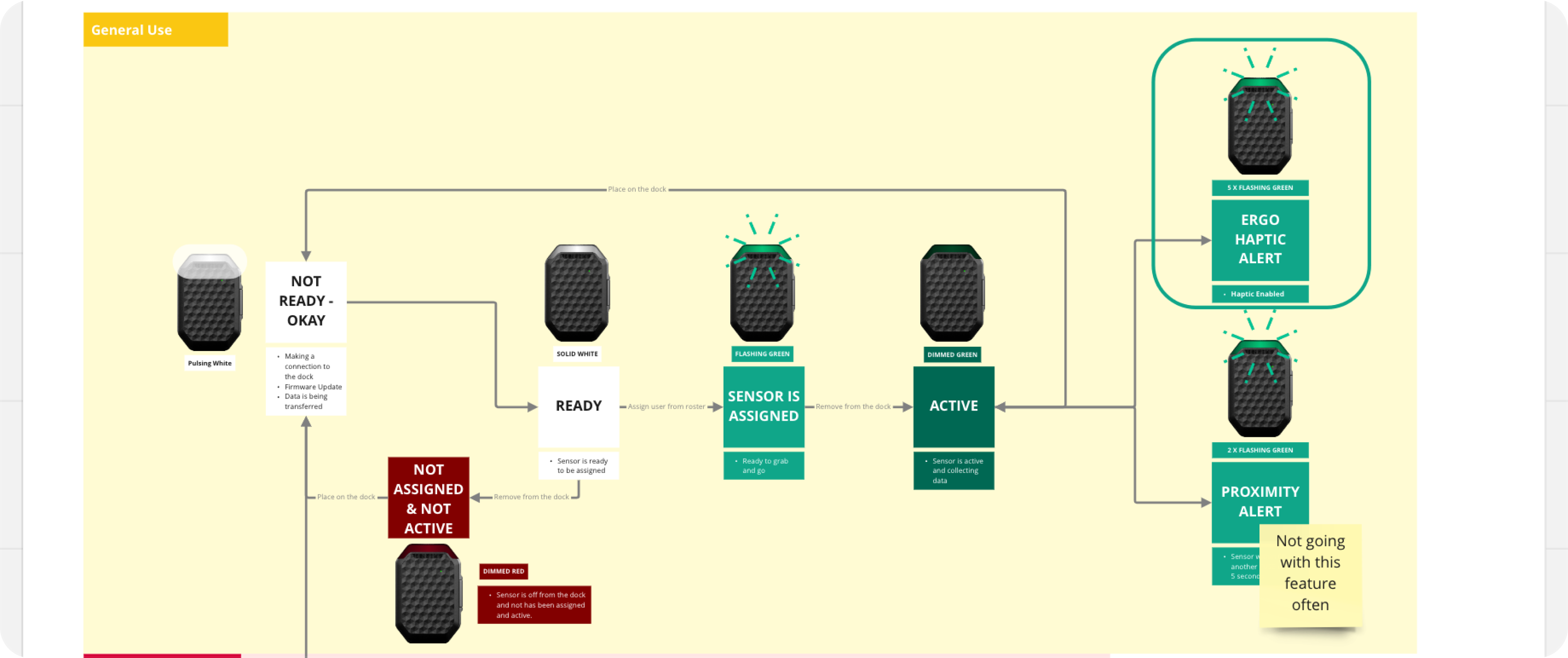
UX/UI for Wearable Device
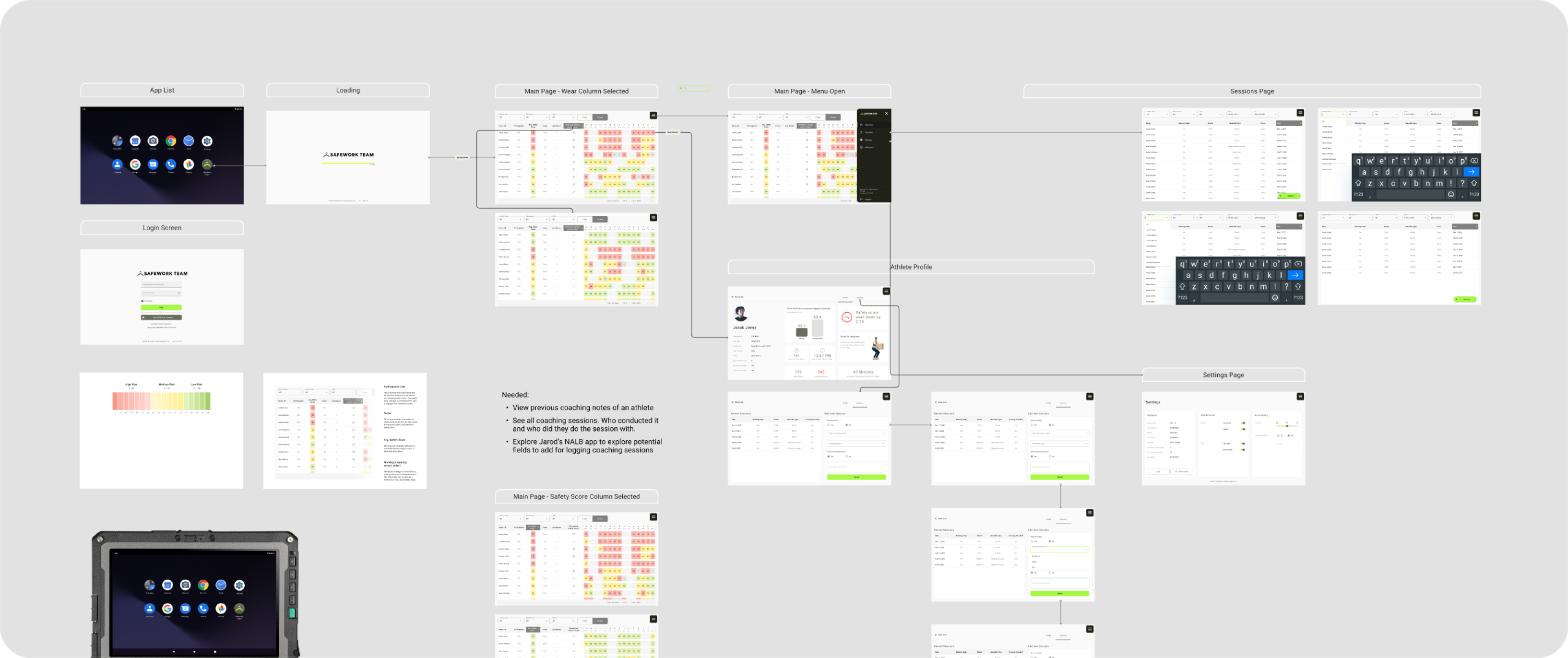
UX/UI for Tablet App
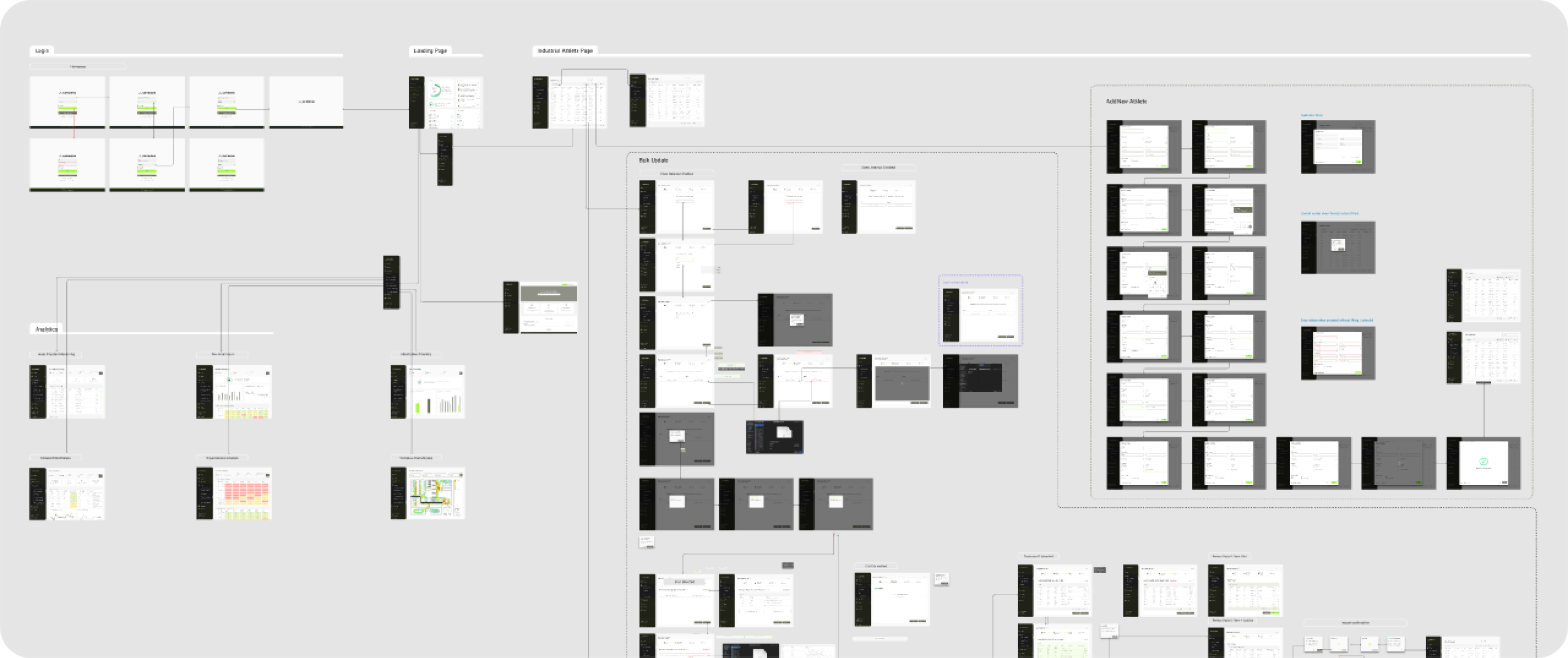
UX/UI for Web App
Reduce Friction
Workers should never think about the technology while doing physical labor. I intentionally reduced interactions to the minimum possible—even sacrificing additional features—to create an experience that felt almost invisible during work.
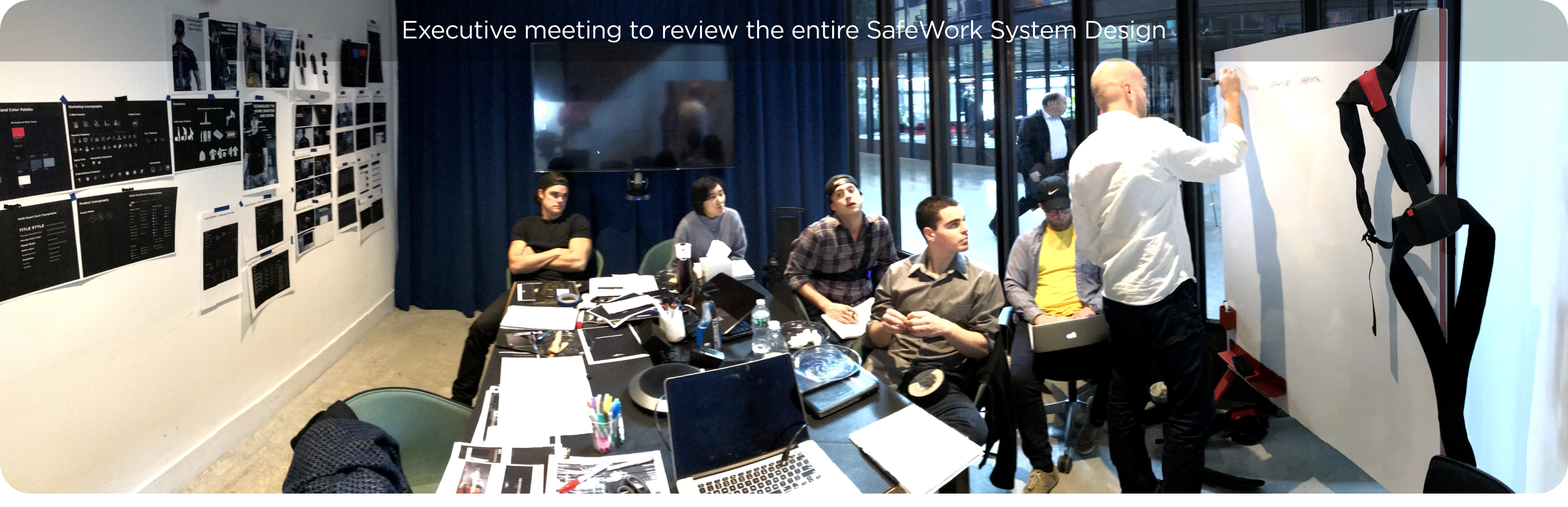
Executive meeting to review the entire SafeWork System Design
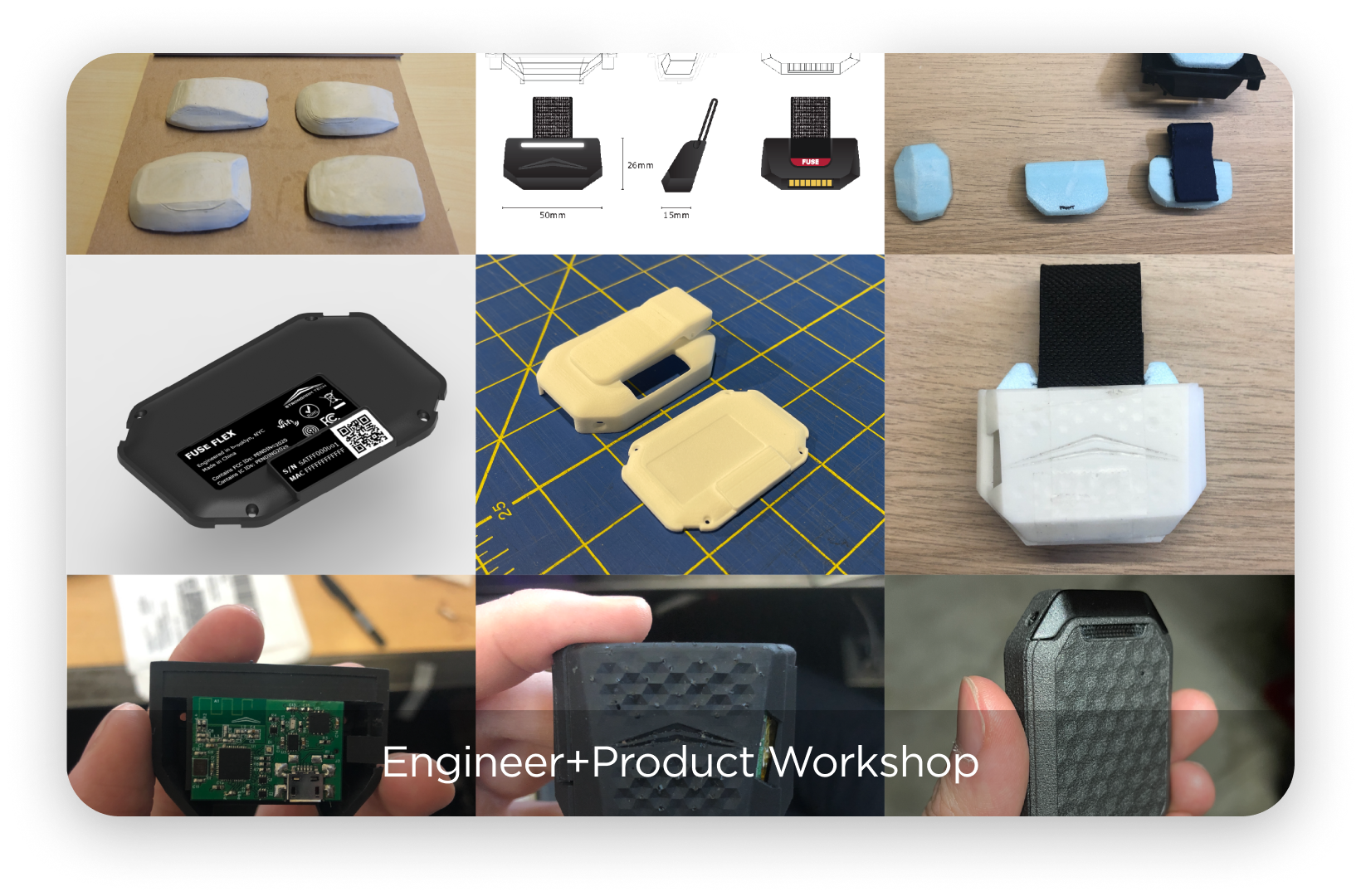
Engineer+Product Workshop
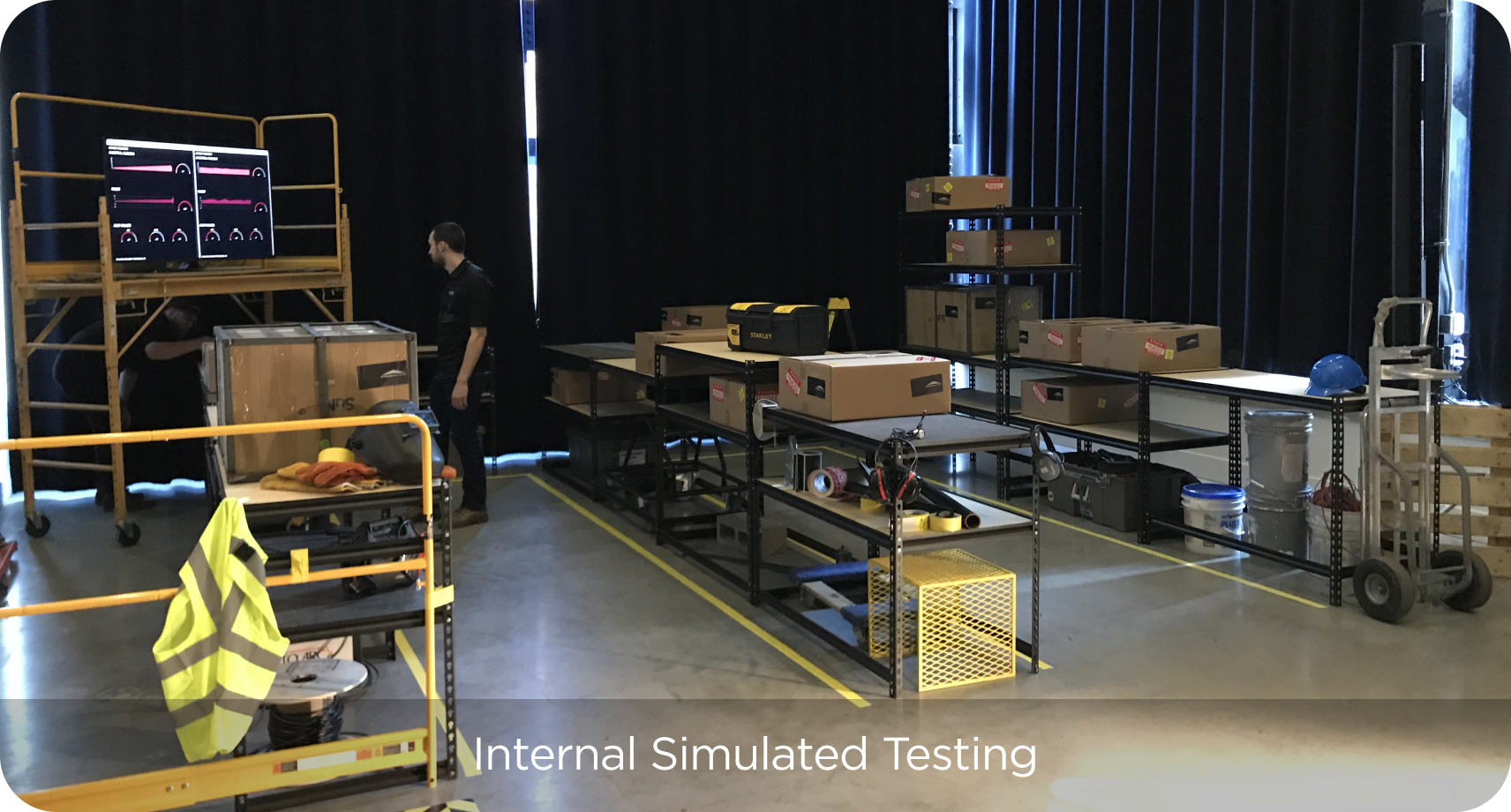
Internal Simulated Testing
Validate in Real Environments
Every major workflow was validated through prototype testing with workers and managers before deployment. This ensured the product fit naturally into existing operational workflows rather than introducing additional complexity.
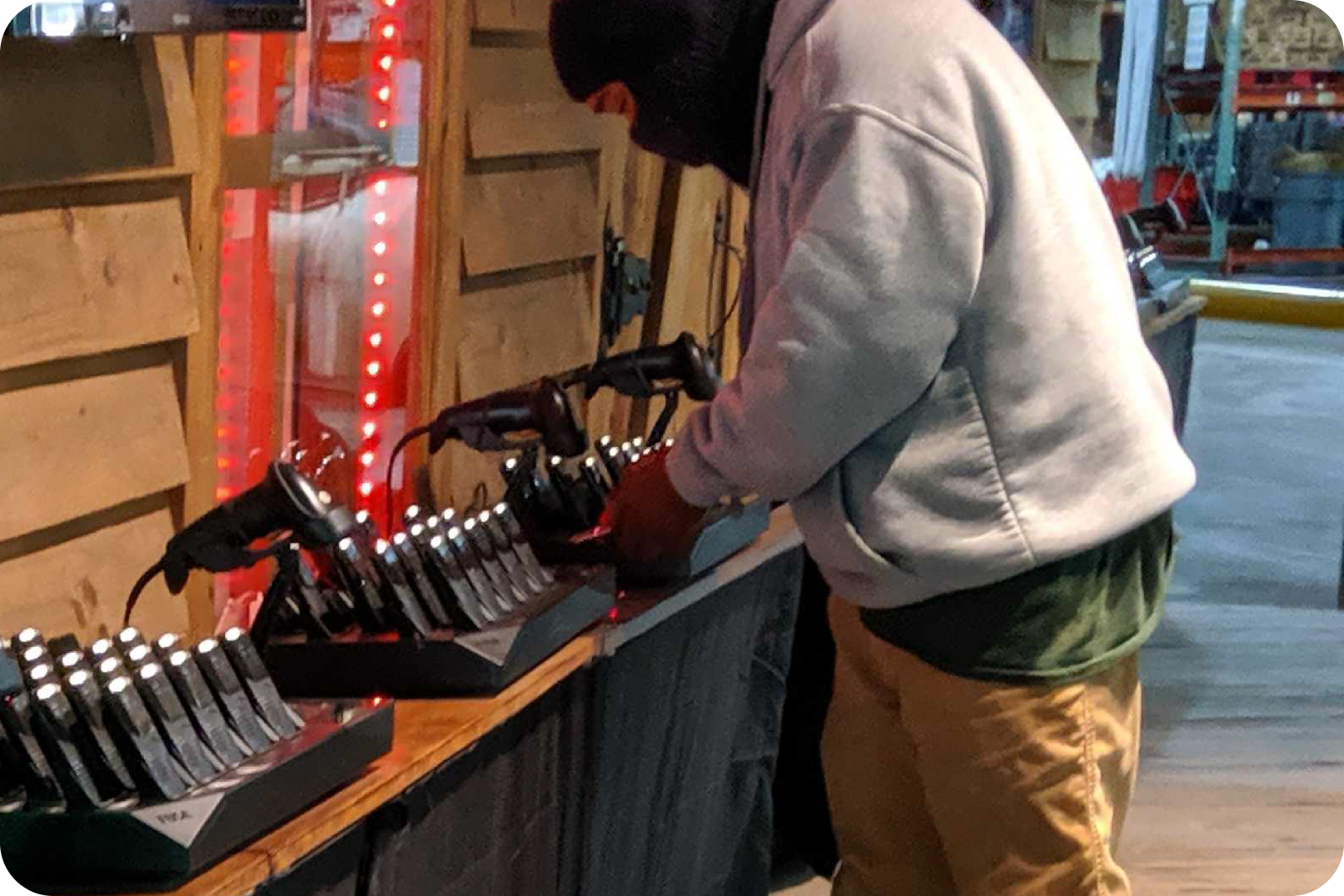
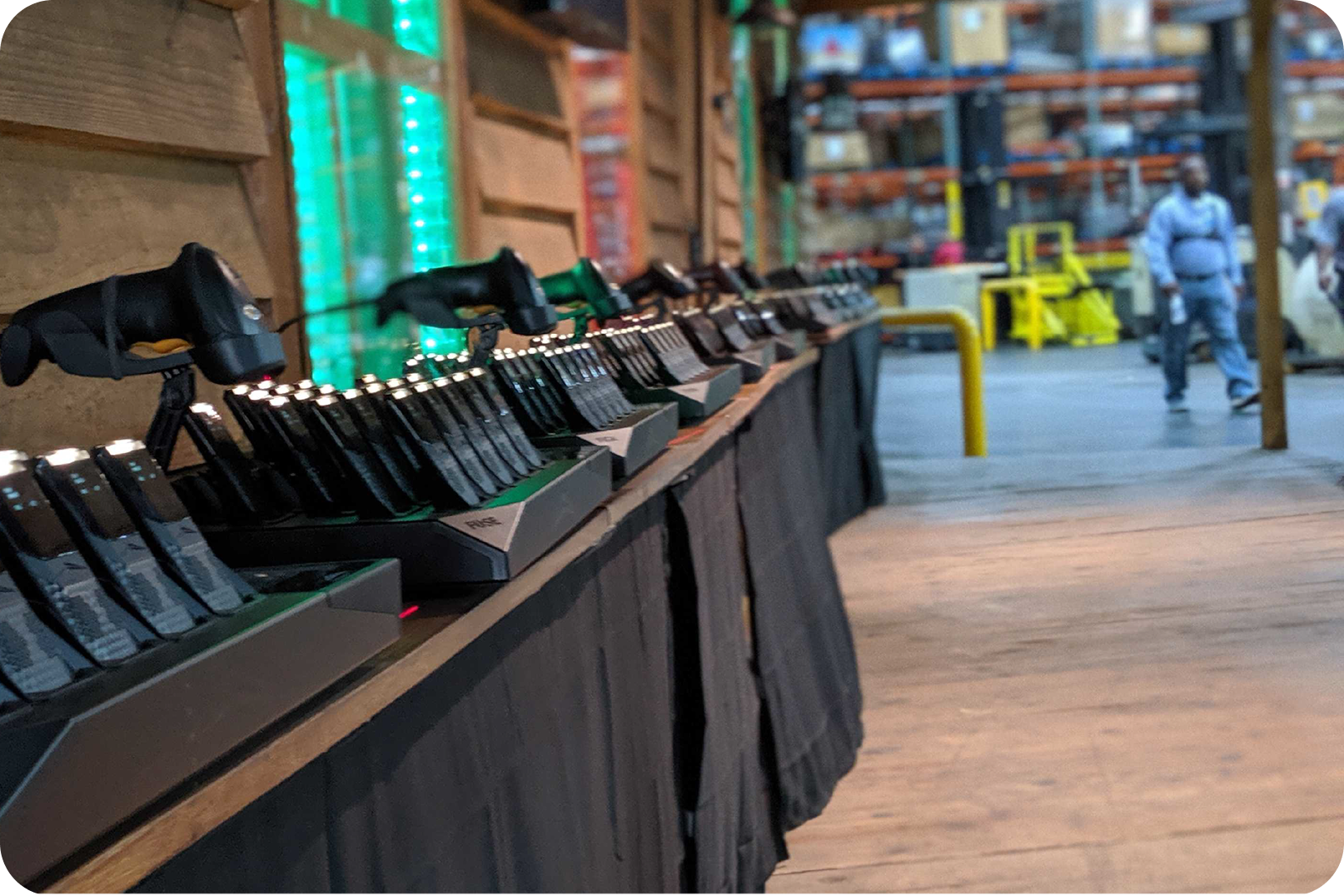
Key Learnings
Buying brand-standard PPE: successful adoption depended less on technology and more on trust.
Workers consistently needed more comfort.
Managers wanted visibility without the feeling of surveillance.
These insights influenced future iterations across both hardware and software.
Final Solution

Worker Experience
Wearable system designed for:
- Passive interaction
- Comfort
- Trust
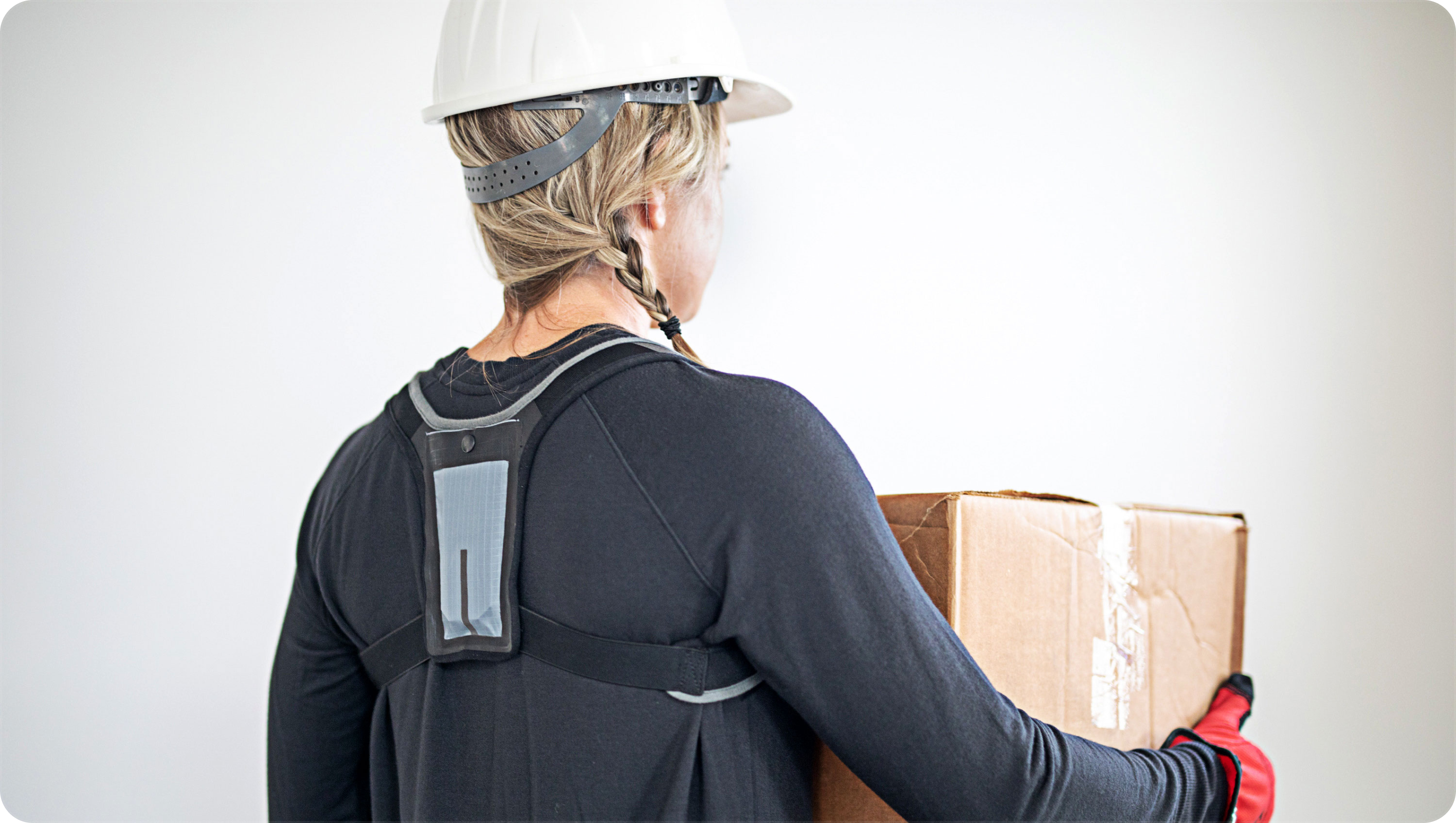
X-Pack Wearable with Sensor in
Manager Experience
App designed for:
- Visibility
- Risk detection
- Decision making
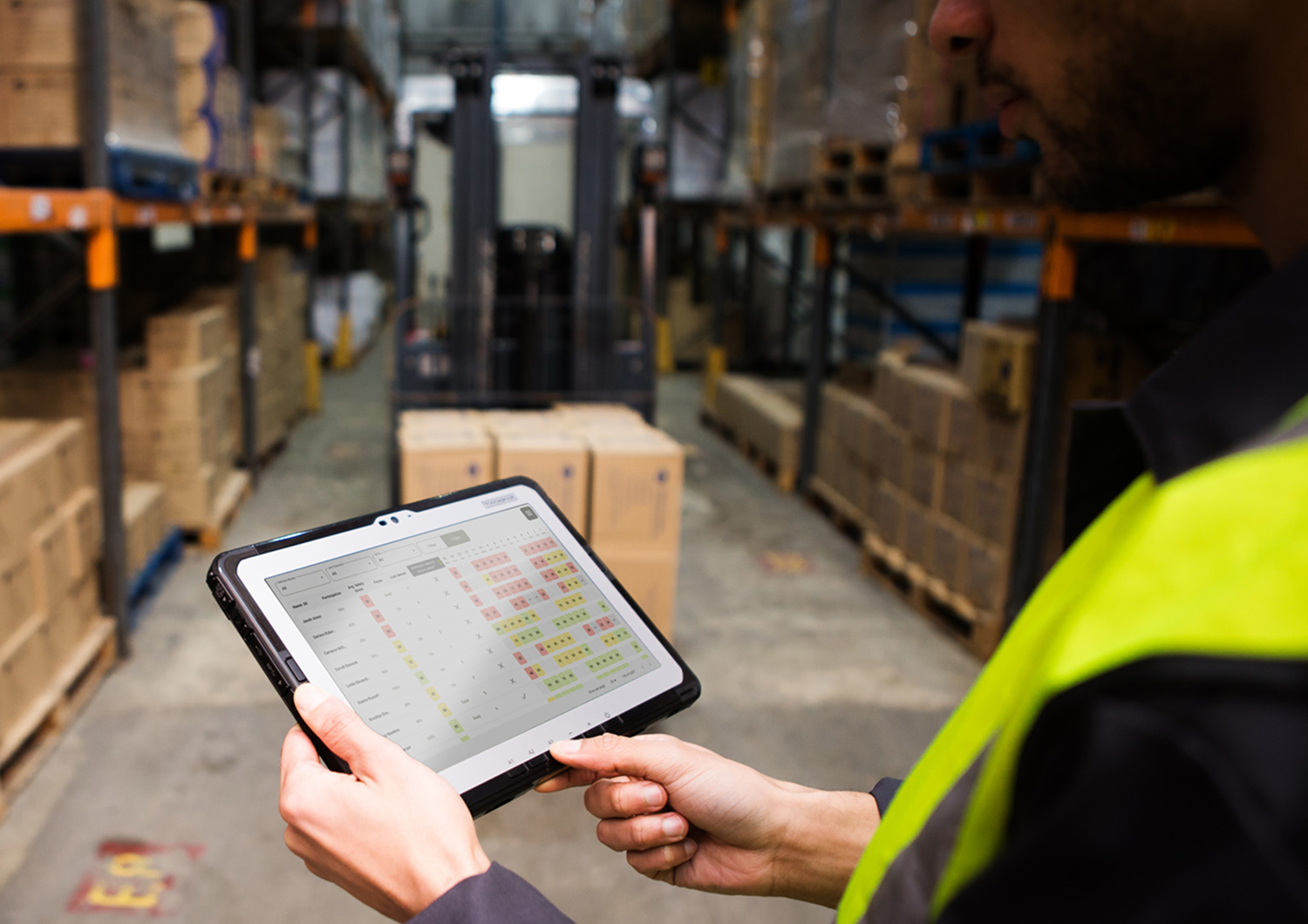
Manager checking SafeWork on-site

Organization Experience
Platform designed for:
- Trend analysis
- Injury prevention
- Operational scale
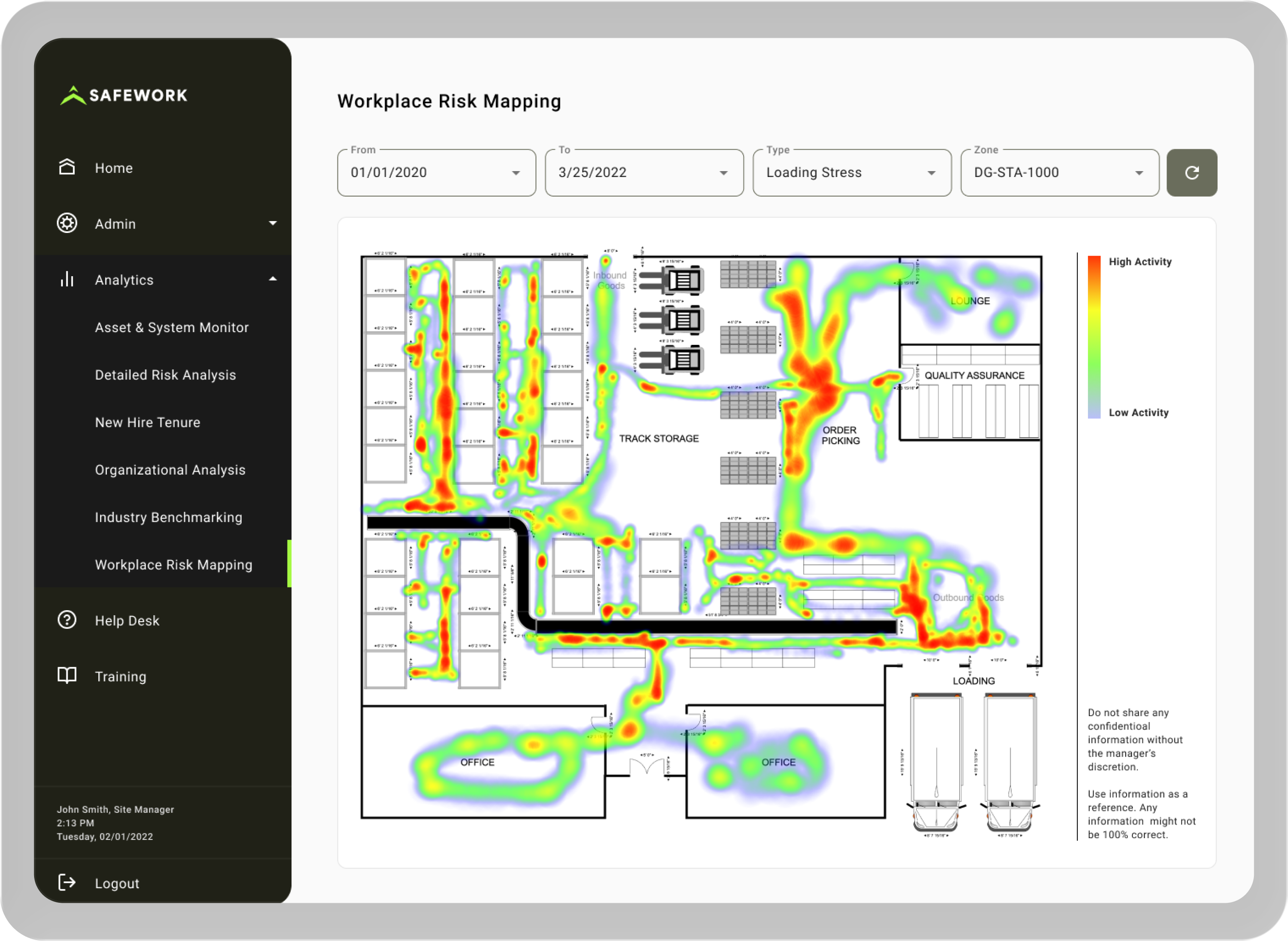
SafeWork Dashboard
Designing SafeWork fundamentally changed how I approach product design. Rather than treating hardware and software as separate experiences, I learned to design connected ecosystems where every touchpoint supports a single user journey.
That systems-thinking approach continues to shape how I design complex products today.